
At IntraCrop, we are dedicated to helping growers maximise nutrient use efficiency (NUE), ensuring that essential nutrients such as nitrogen, phosphorus, and carbon are utilised more effectively by crops. By improving NUE, we can enhance crop health, increase yields, and support more sustainable farming practices.
Nutrient Use Efficiency (NUE) refers to the plant’s ability to optimise the uptake and utilisation of nutrients, leading to improved growth, yield, and environmental sustainability. Efficient nutrient use reduces losses to the environment, maximising fertiliser investments and contributing to sustainable food production.

Plants need phosphorus because it is essential for several critical biological processes, including: energy transfer, root development, photosynthesis, seed and fruit formation, cell membrane integrity and stress resistance. Due to its limited availability in many soils, improving Phosphorus Use Efficiency (PUE) is vital for sustainable agriculture. Biostimulants like Status® can enhance phosphorus uptake, ensuring better nutrient use and crop performance.
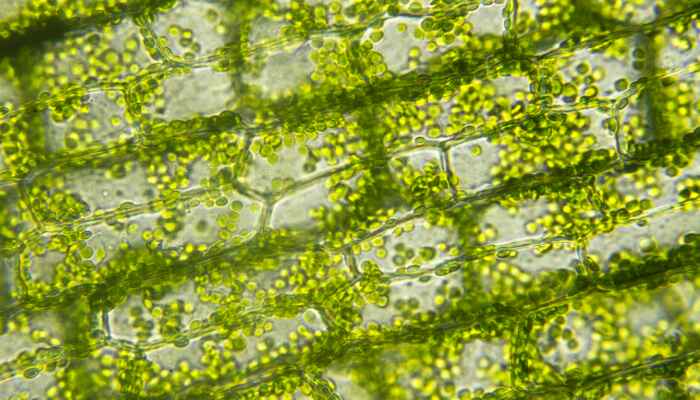
Nitrogen is a fundamental nutrient that supports growth, development, and overall plant health. It supports protein and enzyme formation, chlorophyll production, leaf and vegetative growth, ATP formation, improved crop yield and stress resistance. Because soil nitrogen is often depleted quickly, enhancing NUE is crucial for maximising crop productivity while reducing environmental impact. Biostimulants like Status® can help plants utilise nitrogen more effectively, leading to better yields and sustainability.

Plants need sulphur for several essential functions, including: protein and enzyme formation; chlorophyll production; vitamin and oil production(essential for oil-producing plants like mustard and rapeseed); improved disease resistance; enhancing nitrogen use efficiency; and influencing flavour in crops like onions, garlic, and mustard. Sulphur deficiency in plants can lead to pale or yellow leaves, stunted growth, and reduced crop yields.
Phosphorus (P) is vital for root development, energy transfer (ATP), and crop maturity. However, phosphorus availability is often limited in soils due to fixation in insoluble forms, making it a critical challenge for growers.
Recent research demonstrates that Status® can significantly improve phosphorus uptake and assimilation, leading to better root growth, higher nutrient content, and increased crop resilience.
By enhancing PUE, Status® supports higher crop productivity while reducing the need for excess phosphorus fertilisers, helping growers meet sustainability targets.
Nitrogen use efficiency is affected by multiple factors, including soil composition, environmental conditions, and crop characteristics. Soil elements such as pH, texture, and organic matter levels influence nitrogen availability and how effectively plants absorb it. Weather conditions, including temperature, precipitation, and sunlight, determine nutrient uptake and utilisation throughout different growth phases. Additionally, crop genetics play a crucial role, as different plant varieties exhibit varying capacities for nutrient absorption and efficiency.
Fertiliser application methods and timing also have a significant impact on nitrogen utilisation. Trials with Status®, Talisman®, and Nutrino Pro have consistently demonstrated improvements in nitrogen use efficiency and associated physiological benefits across various crops.
Results have shown:
All achieved with reduced traditional nitrogen fertiliser inputs. Status® holds a CE-mark specifically for nitrogen use efficiency.
Enhancing nutrient use efficiency is a key strategy for improving both productivity and sustainability in modern farming:
Nutrient Use Efficiency refers to the ability of plants to optimise the uptake and use of nutrients like nitrogen, phosphorus, and carbon. High NUE means crops can produce more yield with less fertiliser, reducing waste and environmental impact.
Increasing NUE helps maximise fertiliser investment, boost yields and reduce nutrient losses to the environment. This supports both profitability and sustainable farming goals.
Biostimulants such as Status®, Talisman® and Nutrino Pro can increase root biomass, improve nutrient uptake and enhance nitrogen and phosphorus assimilation, resulting in better crop performance under both healthy and stressed conditions.
Nitrogen is essential for chlorophyll production, protein synthesis, enzyme activity and vegetative growth. Without enough nitrogen, crops suffer reduced yield and poor resilience to stress.
Phosphorus supports energy transfer (ATP), root development, seed and fruit formation and overall plant resilience. Because it is often locked up in soils, improving Phosphorus Use Efficiency (PUE) is critical for sustainable agriculture.
Sulphur is needed for protein and vitamin production, chlorophyll formation, oil content in crops like rapeseed, disease resistance, and even flavour in certain vegetables. Deficiency can lead to yellow leaves, stunted growth, and yield loss.
Trials with Status®, Talisman®, and Nutrino Pro have shown up to a 40% increase in root growth, 15% increase in shoot growth, nearly 6% average yield improvement, and up to 95% enhancement in NUE compared with traditional fertiliser use.
Yes. By making better use of existing nutrients, growers can often reduce fertiliser inputs without compromising yield, saving costs while meeting environmental and regulatory requirements.
Increased NUE reduces nutrient runoff into waterways, limits greenhouse gas emissions from fertiliser use and helps farmers comply with sustainability and climate-focused regulations, all while maintaining or improving crop yields.

‘Science led, Agronomy driven’ are registered trademarks of IntraCrop Ltd.
All trademarks acknowledged
©IntraCrop 2026

