
Strategies for Managing Backward Crops
Managing backward crops has become increasingly important as wet autumns and difficult establishment conditions have become more frequent. These challenges often result in crops entering the spring with lower-than-ideal biomass and NDVI levels, potentially compromising yield potential. Building biomass during spring is critical for achieving higher yields, and early-season agronomic interventions that promote tiller retention and biomass development can make a significant difference. Making informed decisions during the critical foundation and construction stages of crop development is key to reducing yield variability across seasons.
Understanding Current Crop Conditions
Much of the UK experienced record-breaking rainfall in September 2024, leading to delayed planting of winter wheat into October and November. These conditions have brought early nutrition management into focus. Excessive rainfall has depleted residual soil nitrogen, creating a nutrient deficit for crops. Additionally, “lazy rooting” — shallow root systems caused by waterlogged autumn soils — can lead to significant yield losses if spring conditions turn dry. Similar challenges have been observed in other European regions, including France, Germany, and Eastern Europe.
Setting Benchmarks for Backward Crops
To maximise yield potential in backward crops, specific benchmarks should be targeted during early development stages. During the foundation phase, optimal shoot density is approximately 1,020 shoots per square meter. Achieving this depends on factors such as sowing date, plant population, variety, and nitrogen availability. Root development during this stage is critical; by GS31, root length should reach around 15 km per square meter. Deeper rooting improves water uptake and access to less mobile nutrients like phosphorus. However, root development is influenced by soil structure, temperature, and disease, all of which must be managed proactively.
The Role of Biostimulants in Recovery Backward Crops
Biostimulants play an essential role in helping backward crops recover and build biomass. In late-drilled crops, the foundation phase and rooting window are shortened, making early biostimulant applications particularly important. Status, a biostimulant containing MTU®, enhances chlorophyll content and photosynthetic efficiency, leading to faster root and shoot growth. Healthy root systems are fundamental for nutrient uptake and overall crop resilience before additional crop protection inputs are applied.

Timing Biostimulant Applications for Maximum Impact
The application of biostimulants during the BBCH 27–30 growth stages is critical. At this stage, there is still an opportunity to influence rooting, tiller survival, and nutrient uptake. Using a product like Status®, which combines MTU® and pidolic acid, at the T0 timing supports root system growth, enhances green leaf retention, and promotes nutrient uptake. This narrow application window before stem extension is crucial for ensuring backward crops have the resources to recover and thrive.
Additional Considerations for Backward Crop Management
Backward crops often face multiple nutrient deficiencies due to poor root development and limited nutrient uptake. To support crop recovery, consider the following strategies:
- Early nitrogen applications: Apply nitrogen early, while accounting for ground conditions and weather patterns.
- Little-and-often nutrient strategies: Sequential applications of nutrients, combined with foliar biostimulants, can boost both above- and below-ground biomass.
- Micronutrition: Micronutrients like manganese (Mn), copper (Cu), and zinc (Zn) are critical for plant development. These elements support processes such as protein synthesis, lignin production, and photosynthesis, which are essential for crop recovery and growth.
The table below outlines key benefits of these nutrients:
| Micronutrient | Use in the plant |
|---|---|
| Manganese (Mn) | Involved in photosynthesis (PSII), SOD superoxide detox and nitrate reduction pathways in the plant, protein synthesis. |
| Copper (Cu) | Involved in photosynthesis, required for the manufacture of lignin. |
| Zinc (Zn) | Important in the synthesis of proteins and nucleic acid, used in the metabolism of carbohydrates and the Auxin. |
Cearum: A Comprehensive Nutrient Solution
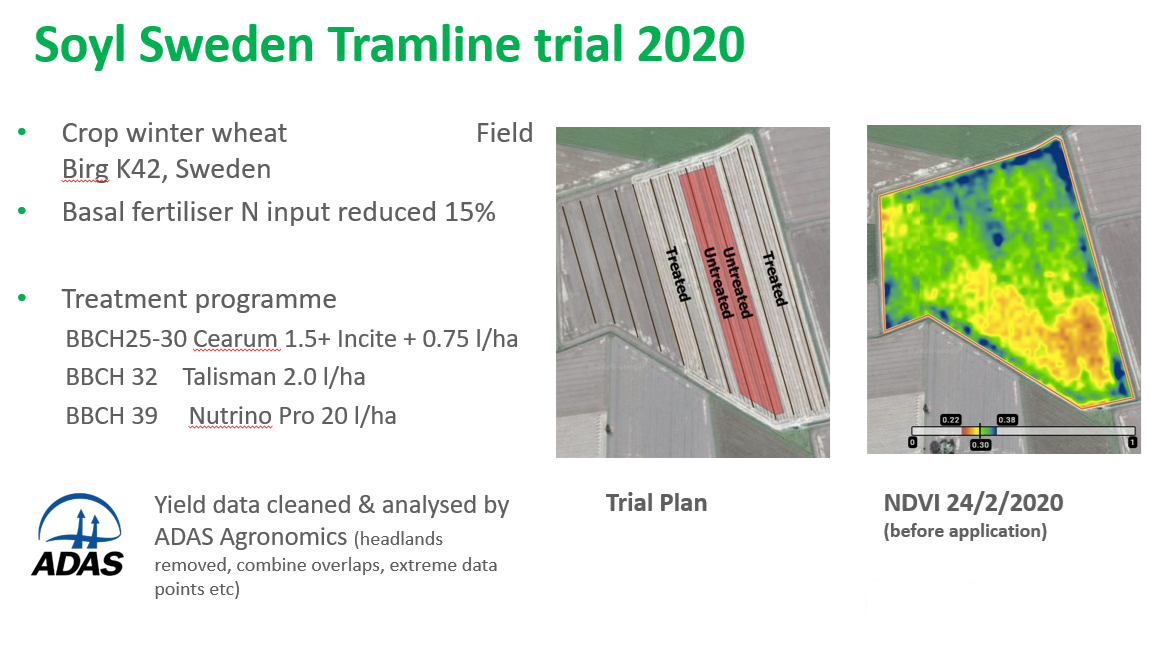
Cearum, a foliar nutrient blend containing Mn, Zn, and Cu, is an effective solution for addressing these deficiencies. The inclusion of the R100® biostimulant in Cearum enhances nutrient uptake and increases cytokinin levels, promoting cell division and plant growth. Its combination of sulphate and nitrate forms ensures both rapid nutrient absorption and sustained availability, providing optimal support for winter cereals.

Key Takeaways for Managing Backward Crops
- Spring decisions set the tone for the entire season: Early interventions are crucial for recovery and yield improvement.
- Prioritise the basics: Address root and shoot health through targeted nutrition and biostimulants.
- Leverage biostimulant technologies: Products like R100® (Cearum) and MTU® (Status) support nutrient uptake, enhance root growth, and improve stress resilience.
By adopting these strategies, growers can help backward crops recover and achieve their yield potential despite challenging conditions.

