
MTU® is IntraCrop’s patented Photosystem I–enhancing technology, developed over more than a decade of laboratory research, glasshouse testing and international field trials. A single-molecule biostimulant (patented in 2013), MTU® delays stress- and age-related senescence, increases chlorophyll content by up to 20%, improves Cyclic Electron Flow and consistently delivers yield benefits across a wide range of crops. With more than 257 trials globally, MTU® is found in our flagship CE-marked product Status® and will soon be integrated into further products.
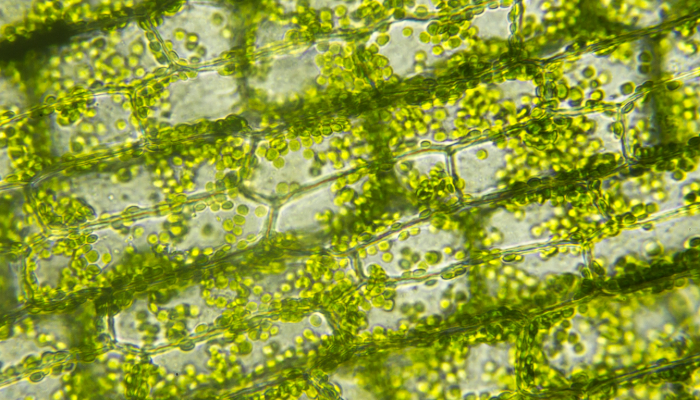
MTU® enhances Photosystem I activity and promotes cyclic electron flow, increasing ATP production, delaying senescence and supporting stronger, longer-lasting photosynthetic performance. This means the plant maintains higher carbon assimilation in both optimal and stressed growing conditions.

In stressed conditions, MTU® increases cyclic electron flow around PSI by up to 80%, protecting the photosynthetic apparatus and supporting faster recovery after drought or temperature stress. Plants treated with MTU® recover measurably faster once stress is relieved.

Multiyear global data across cereals, OSR, maize, sunflower and other broadacre crops show consistent yield increases of 5–12% in normal conditions and 7–20% under stress. Independent trials demonstrate its ability to retain green leaf area, improve nutrient assimilation and enhance nitrogen use efficiency.
Enhances Photosystem I & Photosynthetic Efficiency
Improves Stress Tolerance
Boosts Nitrogen Use Efficiency (NUE)
Proven Global Performance
Versatile Across Products & Formulations
Application Timing
Dose Rate
Tank Mixing
Environmental Conditions
Programme Fit
MTU® has demonstrated strong performance across broadacre and speciality crops, including:
Data drawn from 257 trials across the UK, Germany, Czechia, Hungary, Sweden, Denmark, Morocco, Canada and more.
No. Status® contains MTU®, but MTU® is a standalone technology. It is now being used across multiple new products and combinations. This page describes the MTU® molecule itself, not the Status formulation.
MTU® is unique in the market for its impact on Photosystem I and cyclic electron flow, distinct from auxin/cytokinin-modulating or microbial technologies.
By protecting PSI and increasing ATP availability, MTU® helps maintain growth and metabolism when the plant is under drought, heat, salinity or nutrient stress.
The molecule is backed by 257+ trials, including small-plot, glasshouse, tramline and commercial evaluations across 43 crops. Yield data, NUE improvements and stress-recovery images are available on request.
Yes. MTU® improves nitrogen assimilation and NUE, meaning growers can maintain performance with optimised fertiliser programmes.
MTU® is a synthetic molecule and not certified for organic production — however, it aligns strongly with sustainability goals through reduced fertiliser requirement and improved stress resilience.
In glasshouse studies, improvements to chlorophyll content, PSI activity and stress resilience were visible within days. Faster post-stress recovery has been documented within 24 hours.
Yes, MTU® has demonstrated consistent efficacy from Northern Europe to North Africa and Canada.
Yes, MTU® extends green leaf retention, improves nutrient assimilation, and boosts energy production, which contributes to improvements in grain fill, oil content and other quality traits.
MTU® is a core technology used in current products as well as emerging next-generation biostimulants under development.

‘Science led, Agronomy driven’ are registered trademarks of IntraCrop Ltd.
All trademarks acknowledged
©IntraCrop 2026
