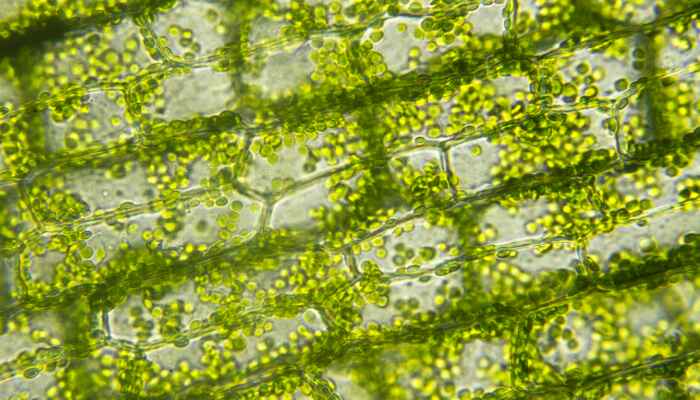
Green leaf retention (GLR) plays a vital role in protecting crop potential and ensuring optimal yield, particularly during the crucial grain-fill period. Whether you’re growing cereals, sugar beet, oilseed rape or pulses, protecting and preserving the photosynthetic equipment in the leaf makes a significant difference to the yields you can expect come harvest.
By reducing premature senescence and supporting nutrient assimilation under stress, GLR strategies help crops to continue converting solar energy into biomass and grain. This is particularly important in seasons where heat, drought, or nutrient limitations have created additional challenges.
IntraCrop’s biostimulants, including Status® and Talisman®, support GLR by helping crops maintain metabolic activity during stress, extending canopy longevity into the critical yield-forming phases.

Leaves capture sunlight and convert it into sugars, proteins, and starches that fill grain and build yield. When crops lose green leaf area too early, their ability to maintain this process is significantly compromised. According to AHDB data, each additional five days of green canopy cover can contribute up to 1 t/ha of extra biomass in wheat and this gain is directly linked to final grain yield. Delaying senescence and keeping flag leaves active for longer also improves nitrogen use efficiency and protein accumulation.

Multiple factors can accelerate canopy decline: abiotic stress such as drought, high UV, or heat; nutrient deficiency, especially nitrogen; herbicide or pesticide stress, particularly during rapid growth stages; and disease or pest pressure. Left unchecked, these stressors trigger physiological responses that favour respiration over growth, halting nitrogen assimilation and leading to a build-up of toxic byproducts like ammonia, resulting in leaf yellowing and drop.

Products like Status® and Talisman® contain a signalling compounds called pidolic acidthat sustains nitrogen assimilation and chlorophyll levels despite periods of stress. This reduces visible leaf yellowing and maintains photosynthetic activity for longer. In replicated trials across multiple crops, applications of pidolic acid have led to measurable improvements in SPAD (chlorophyll) readings, NDVI values, and final yield under both irrigated and drought-stressed conditions. MTU®, which is combined with pidolic acid in a product called Status®, protects the photosynthetic apparatus of the plant by minimising the damage caused by oxygen free radicals that are released during plant stress.
Talisman®: A foliar biostimulant combining pidolic acid, R100, and Dimethyl Sulphone. Enhances nutrient uptake and delays senescence to maximise grain fill.
Status®: Targets abiotic stress, drives photosynthetic ouput and supports GLR by improving ATP (energy) production and nitrogen metabolism. Used across wheat, beet, sunflower, and oilseed rape.
Green leaf retention (GLR) refers to the ability of crops to maintain healthy, photosynthetically active leaves for longer into the season, especially during the critical grain-fill period. Each extra five days of green canopy cover can add up to 1 t/ha of biomass in wheat, directly influencing final grain yield. It also improves nitrogen use efficiency and protein accumulation.
GLR is valuable across a range of crops:
Common triggers include:
When leaves senesce early, photosynthesis slows or stops. Nitrogen assimilation declines, toxic byproducts like ammonia can build up, and plants divert energy into survival rather than yield-building processes, reducing quality and yield at harvest.
For cereals, apply before or at the start of grain fill to maximise canopy longevity. In sugar beet, applications from full canopy onwards help sustain photosynthetic output through summer stress. For OSR, pulses, and sunflower, time applications ahead of expected heat or moisture stress events.

‘Science led, Agronomy driven’ are registered trademarks of IntraCrop Ltd.
All trademarks acknowledged
©IntraCrop 2026