
‘New class’ of biostimulant makes its mark in Germany
Status® has continued to demonstrate the potential it has to support growers throughout Europe as trial results from Germany have been analysed. Status® contains MTU, a unique, single-molecule biostimulant. In April 2025, in collaboration with 12 leading farmers across Germany, IntraCrop launched a broad-based Status® trial to test the transferability of scientific findings into agricultural practice, primarily on winter wheat and sugar beet.
The core topic was how to reduce yield losses caused by early summer stress with the use of Status®. Early summer drought has negatively impacted crops in Germany in three of the last five years. Unlike in 2024, there was no typical early summer drought in 2025, so the strengths of Status® were not fully demonstrated. However, the results reported in Germany have still shown clear benefits for yield and quality in certain situations, increasing grower confidence in the country.
Jack Hill, Key Account Manager, visited 9 farms during the summer, to observe trial results on a range of crops including oats, sugar beet, winter wheat, potatoes and maize. The farms spanned a range of territory, beginning at the Danish border and finishing in Bavaria. Grower’s trialling Status® reported some of the following observations: greener leaves, delayed senescence, larger ears, fewer small side tillers and noticeably less stem-based disease in wheat. These findings were supported by SPAD meter readings (which measures chlorophyll content in the leaf), confirming higher nitrogen uptake in treated plots.
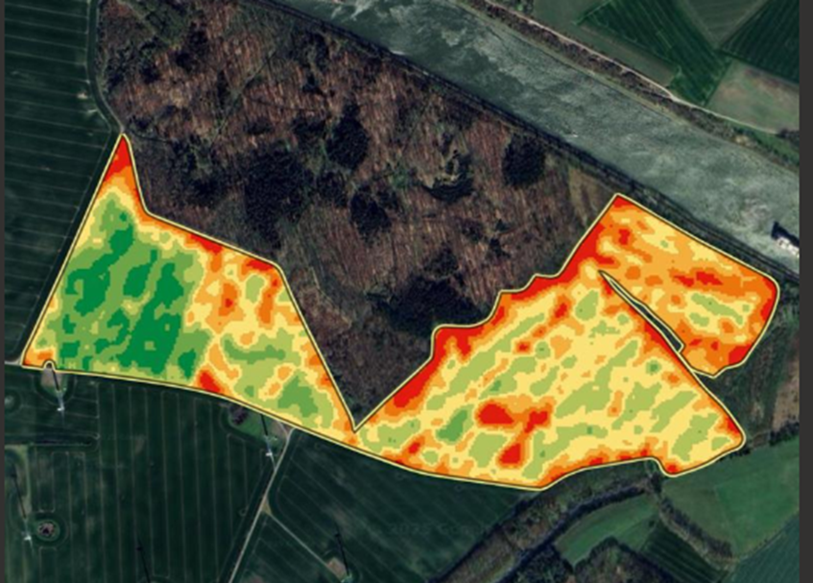
During November, the 12 leading farmers met together at Agritechnica to share their harvest results and honest feedback on product performance. Following the discussion we can draw some encouraging interim conclusions. Key findings include:
- Sugar beet (Bavaria): +5 t/ha yield increase from a single Status® application, equating to a 5:1 return on investment, despite only 150 mm of rainfall between January and July. A reduction in impurity levels were also noted in Status® treated plots following additional quality testing at the local sugar beet factory.
- Potato (Hanover Region): +6% yield increase recorded in treated plots on pre-packed potatoes (Gala).
- Winter wheat (Lower Saxony): Treated areas showed improved straw strength and higher yields, with a sceptical grower admitting Status® had a positive effect, despite being applied deliberately on the weakest part of the field. Positive yield responses on winter wheat ranged from +0.2 – 0.5 t/ha compared to the untreated.
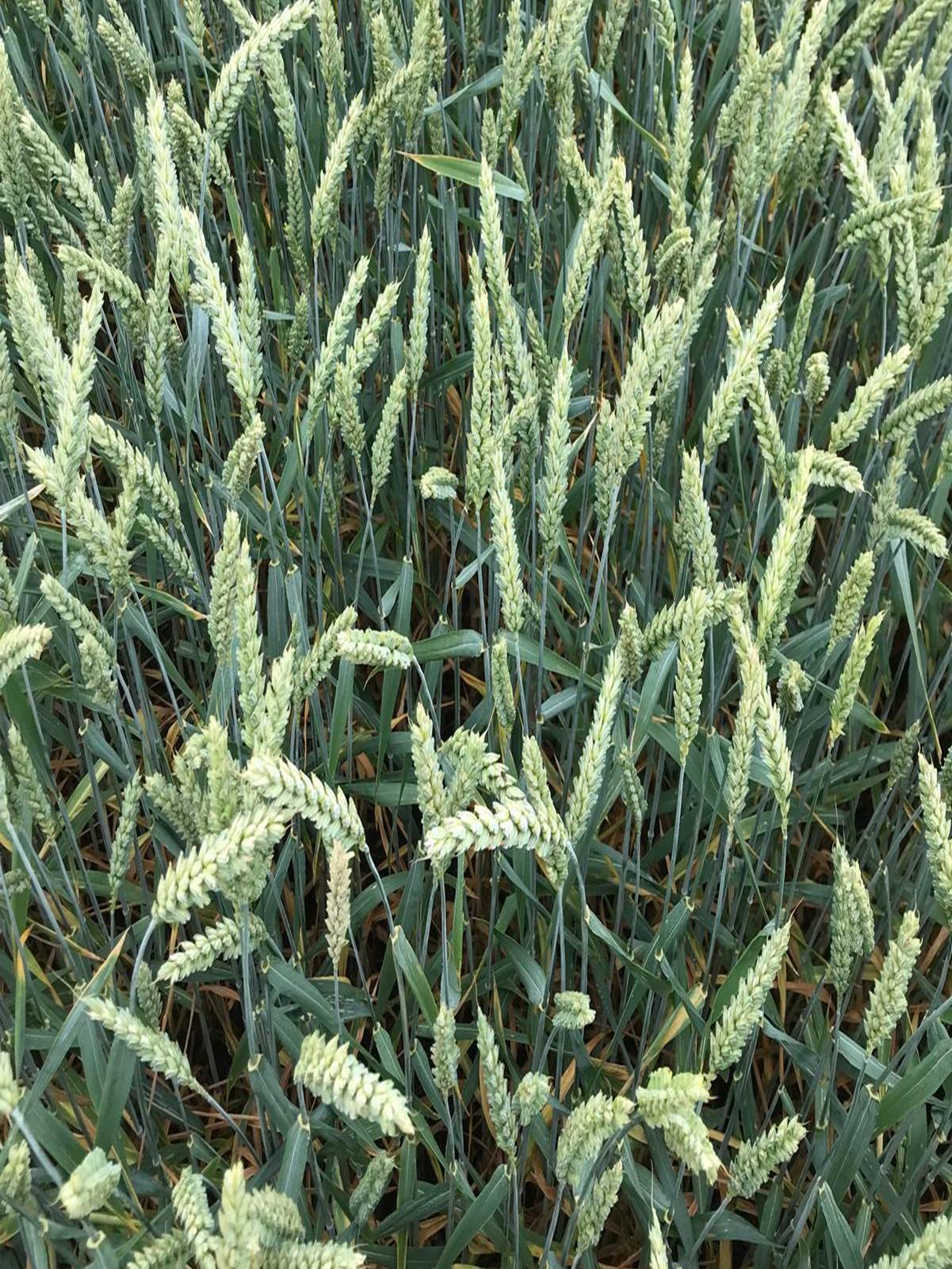
These results clearly show that Status® can support increased resilience even in a year when yields were generally slightly higher than average. Under more challenging conditions, such as the early summer stress experienced in recent years Status® has the potential to provide even greater returns.
Germany remains a challenging landscape for biostimulants. Many growers consider products interchangeable, and the term is met with scepticism. However, Status® is positioning itself differently not as “just another biostimulant,” but as a new class of product with a defined mode of action.
This level of interest from progressive growers and key industry stakeholders clearly shows that there is growing recognition that Status® offers something genuinely different.
With more yield data expected in 2026, German growers and partners will continue to build and expand their practical experience, preparing for the planned launch of Status in Germany for the 2027 harvest. By improving nitrogen uptake and delaying senescence, a wide range of crops are strengthened under stress, making Status® a valuable tool against the challenges they are facing, including climate change and market volatility.
As adoption increases, Status® will play a pivotal role in redefining how biostimulants are perceived in Germany and across Europe.
Find out more about Status® here.
13th November 2025

