
Grassweed pressure is on the rise and pre-emergence herbicides remain one of the most effective tools for ensuring crop establishment is not negatively impacted. By targeting weeds before they emerge, pre-ems form the first defensive barrier in the season’s weed control strategy and helps to set the crop up for maximum yield potential. However, growing conditions are increasingly more challenging, with weather conditions increasingly erratic and growing patterns harder to predict. To get the very best out of pre-em herbicides, seedbed preparation and application technique is extremely important. Adjuvants such as Adhere can play a crucial role in ensuring more active ingredient reaches the soil or weed surface and stays where it’s needed, increasing the efficacy of the herbicide application.

Pre-emergence herbicides kill weeds as they germinate, preventing them from competing with young crops for resources and making sure they can establish properly. Early control is especially critical against grassweeds, which can cause severe yield losses and replenish the seedbank if not managed effectively.
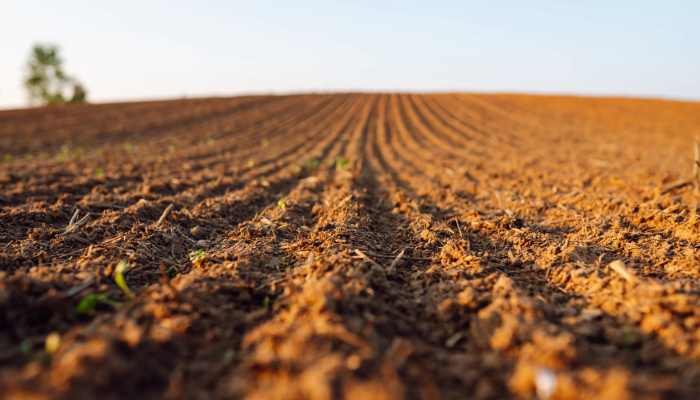
Adjuvants such as Adhere improve pre-em coverage and retention, keeping herbicides in the top soil layer where weed seeds are germinating. Tackifiers bind herbicide to soil particles, reducing leaching and helping herbicides work more effectively even if we experience heavy rain.

From boom height to droplet size, every aspect of application influences coverage and efficacy. Pre em applications are prone to turbulence under the spray boom which can result in uneven spray deposition. Adhere reduces spray drift and ensures the herbicide is evenly coated over the soil surface.
Adhere in UK trials (2020–2024)
The theory of marginal gains applies well to pre-emergence herbicide efficacy: seedbed preparation, application technology, product choice and weather all contribute. Adhere offers another gain, improving residual herbicide performance, especially under sub-optimal conditions.
Pre-ems are widely used in winter cereals, OSR, pulses, maize and sugar beet to control a broad range of grass and broad-leaved weeds.
Ideally within 48 hours of drilling, onto a fine, firm seedbed with adequate moisture for herbicide activation.
Most residual herbicides require soil moisture to activate and move into the weed germination zone.
Tackifiers like the ones included in Adhere reduce leaching after rainfall, keeping herbicides where they’re needed.
By reducing the weed population pre-drilling and at crop emergence, there is less reliance on glyphosate later in the season, which will help to slow the development of resistance.
Adhere supports sustainability objectives. It has a renewable-based formula and improves efficacy, reducing product waste. In turn, this helps to lower chemical usage and supports responsible, resource-efficient crop protection.
Always check the label and manufacturer guidance, but Adhere is compatible with a wide range of pre- and post-em residual herbicides.
Medium-coarse droplet nozzles are recommended for even soil coverage and to minimise drift.

‘Science led, Agronomy driven’ are registered trademarks of IntraCrop Ltd.
All trademarks acknowledged
©IntraCrop 2026

