Why seed treatments matter
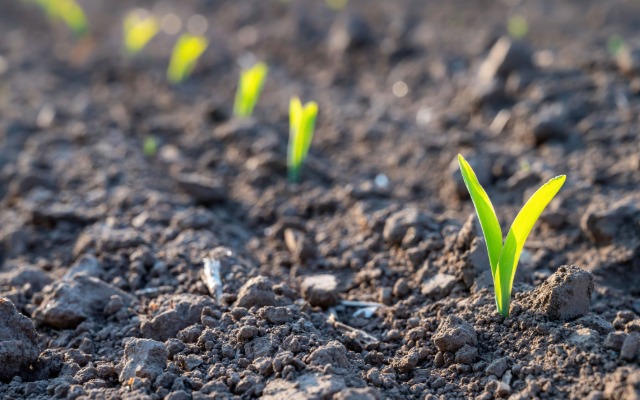
To see the best possible ROI, care and attention needs to be given from start to finish, from seeds to harvest. Even before our crops emerge and photosynthesis begins, nutrients are taken up from the soil. A seed’s ability to do this effectively can impact the final yield seen by growers. This means that using a seed treatment can heavily impact a crop’s potential. In fact, establishment is one of the most critical periods in the crop’s lifecycle.
Applied directly to the seed before drilling, seed treatments are designed to support this establishment by protecting the seed during germination and its earliest growth stages. While attention is usually focused on crop management later in the season, ensuring plants get the best possible start can have a significant influence on both crop resilience during later development and final yield and ROI.
The first few weeks after drilling are a particularly vulnerable time for young crops. Cold soils, fluctuating moisture levels, disease pressure and limited nutrient availability can all reduce emergence or slow early development. Any setbacks experienced during this stage can continue to impact crop performance for the rest of the season if not mitigated against.
The most successful early growth will include the establishment of strong, large root systems, giving the best possible access to water and nutrients. Often, root systems such as these lead to more uniform crop development, meaning that the young crop will also be better equipped to compete with weeds and tolerate abiotic stresses as it develops.
As weather patterns become increasingly unpredictable, achieving consistent establishment has become more challenging. Dry seedbeds, heavy rainfall and temperature fluctuations all place additional pressure on young crops, meaning that making the most of any possible support or advantage during establishment is incredibly valuable.
Traditionally, seed treatments have focused on protecting emerging seedlings from pests and diseases. Although this is incredibly important, the role of seed treatments is changing. Agriculture is increasingly focussed on technologies that improve overall, long-term crop performance as well as protection. Instead of just focussing on loss prevention, growers now understand that improving efficiency and helping crops make better use of available resources can increase overall yields significantly.
Using seed treatments means that growers can begin this support of plant development from the moment the seed enters the soil. Thankfully, their use also aligns with the wider drive towards sustainable agriculture. By encouraging improved establishment, growers can maximise the potential of every plant, allowing them to use traditional inputs in a more efficient way, making it more likely they will meet sustainability targets..
As the industry continues to evolve, seed treatments are becoming an integral part of modern crop establishment strategies, helping growers build stronger crops from day one and creating the foundations for consistent performance throughout the season.

